Sustainable investment continues to gain momentum
Despite growing debate around ESG investing and sustainability regulation, new data from the European Commission suggests that capital continues to flow towards the net-zero transition. According to figures published earlier this month, more than €1.2 trillion ($1.34 trillion) has been invested in sustainable economic activities across the European Union since 2021. The data also shows that over €320 billion ($358 billion) was invested in EU Taxonomy-aligned activities during 2025 alone, highlighting continued growth in sustainable finance despite wider market uncertainty[i]. The figures provide further evidence that capital continues to flow towards the energy transition despite increasing political and regulatory scrutiny of ESG investing.
Moving beyond ESG labels
For much of the past decade, sustainable finance was often viewed primarily through the lens of ESG reporting and responsible investing. Increasingly, however, policymakers are positioning sustainable finance as an economic and industrial tool rather than simply an environmental one. The European Commission notes that the EU's sustainable finance framework is helping channel investment into renewable energy, electrification and other clean technologies, supporting both decarbonisation objectives and energy security goals. By directing capital towards domestic clean energy infrastructure, sustainable investment is also helping to reduce reliance on imported fossil fuels and strengthen Europe's strategic autonomy. The shift mirrors a wider trend. As renewable energy is increasingly valued for its contribution to energy security, sustainable finance is also being assessed on its ability to support competitiveness, industrial growth and economic resilience.
Energy remains the dominant investment destination
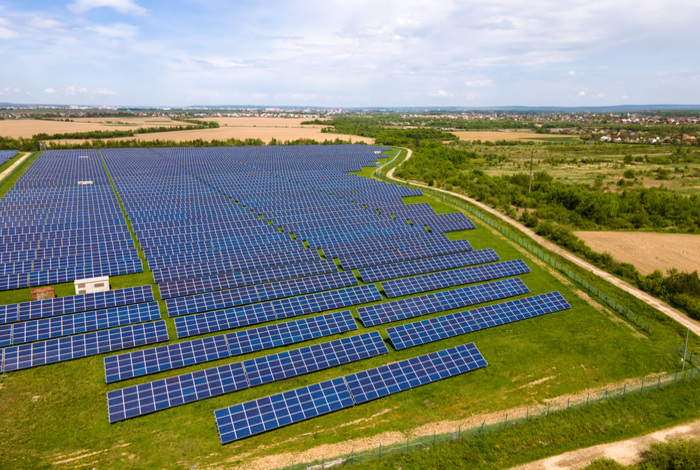
Perhaps unsurprisingly, the latest data shows that the energy sector accounted for the largest share of Taxonomy-aligned investment in 2025, driven primarily by electricity providers. Many of the technologies required to support electrification, including renewable power generation, energy storage, grid infrastructure and electricity networks, remain highly capital intensive. As governments continue to pursue decarbonisation and energy security objectives simultaneously, energy is likely to remain one of the largest beneficiaries of sustainable investment flows. The finding also aligns with broader market trends identified in recent ZCA research, which have highlighted growing investment across renewable energy, grid modernisation, and clean technology infrastructure[ii].
Another notable finding is the continued growth of the European green bond market. Since the European Green Bond Standard came into force in December 2024, approximately €60 billion of these bonds have been issued. This includes €21 billion during 2025, and a further €39 billion between January and early October 2026, almost doubling the issuance levels seen during the framework's first year.
The increase suggests growing market confidence in standardised sustainable finance frameworks, which are designed to provide greater transparency around how capital is being deployed and reduce concerns around greenwashing. As investors seek clearer evidence of environmental impact and regulatory compliance, frameworks such as the EU Taxonomy and European Green Bond Standard are likely to become increasingly important in directing investment towards transition activities.
References
[ii] Press Release: Cleantech Investment Surges 80% in 2026 as Energy Sector Dominates Funding