Global electricity demand set to accelerate
New research from the IEA (International Energy Agency) has revealed that global electricity demand will accelerate over the next two years, with CO2 emissions expected to see an uplift of 1% by the end of 2026. The IEA has attributed the increase to strong underlying demand from industry, appliances, cooling, electric vehicles and data centres. This is despite global power systems contending with energy market turmoil and volatile prices.
The new Electricity Mid-Year Update forecasts that global electricity demand will grow by 3.6% in 2026, and by a further 3.8% in 2027. In real terms, global electricity consumption is projected to reach 30,700 terawatt-hours (TWh) in 2027, compared with 28,600 TWh in 2025[i].
While recent disruptions to global natural gas markets (due to the ongoing war in the Middle East) have pushed up electricity generation costs in many regions, the IEA expects strong demand to keep global electricity consumption on a firm upward trajectory. The researchers also add that a stronger-than-expected El Niño event in 2026 could further boost electricity demand by raising cooling needs whilst simultaneously reducing hydropower and wind generation in some regions.
At the same time carbon dioxide (CO2) emissions from electricity generation globally are forecast to increase by around 1% this year, before flattening out in 2027. The researchers apportion blame to higher natural gas prices, which in turn have supported an increase in coal-fired generation in some Asian and European countries. Yet, rising power generation from renewable sources has helped diversify electricity supplies in many countries, supporting energy security and helping to cushion the impacts of the shock. Looking ahead, the continued growth in renewables alongside a strong increase in nuclear power is expected to prevent emissions from rising further in 2027.
Renewables to become largest source of electricity generation
Despite the increase in coal-fired generation this year, renewables remain on track to become the world’s largest source of electricity generation in 2026, finally overtaking coal after reaching near parity in 2025. The IEA reports that renewable generation is set to grow by more than 8% in 2026, and it is poised to increase its share of global electricity generation from 33% in 2025 to 37% by 2027.
The findings follow news earlier this year from global energy think tank Ember, which reported that wind and solar generated more electricity than gas globally for the first time during a single month. In April 2026, wind and solar accounted for 22% of global electricity generation, compared with 20% for gas[ii].
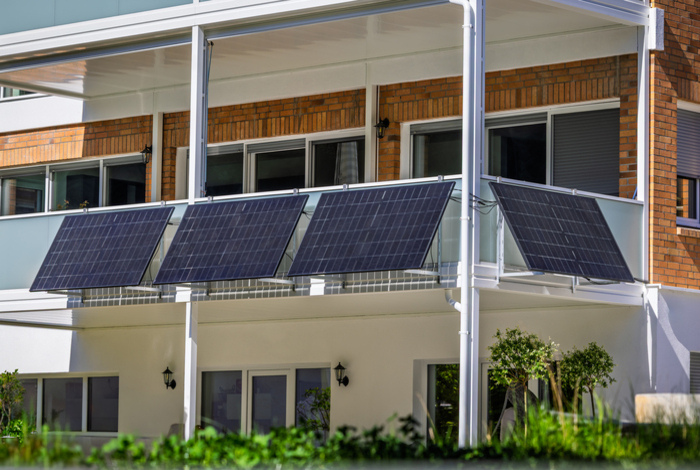
The IEA finds that solar power continues to lead this growth in electricity supply worldwide, and solar PV generation is set to expand strongly over the next two years, overtaking wind power in 2026 to become the world's second-largest source of renewable electricity generation after hydropower. Solar PV’s global electricity output is forecast to increase by around 600 TWh in 2026, matching the record annual growth achieved in 2025, with similarly robust expansion expected in 2027.
References
[ii] Historic moment as global renewable energy generation surpasses gas for the first time

.jpg)